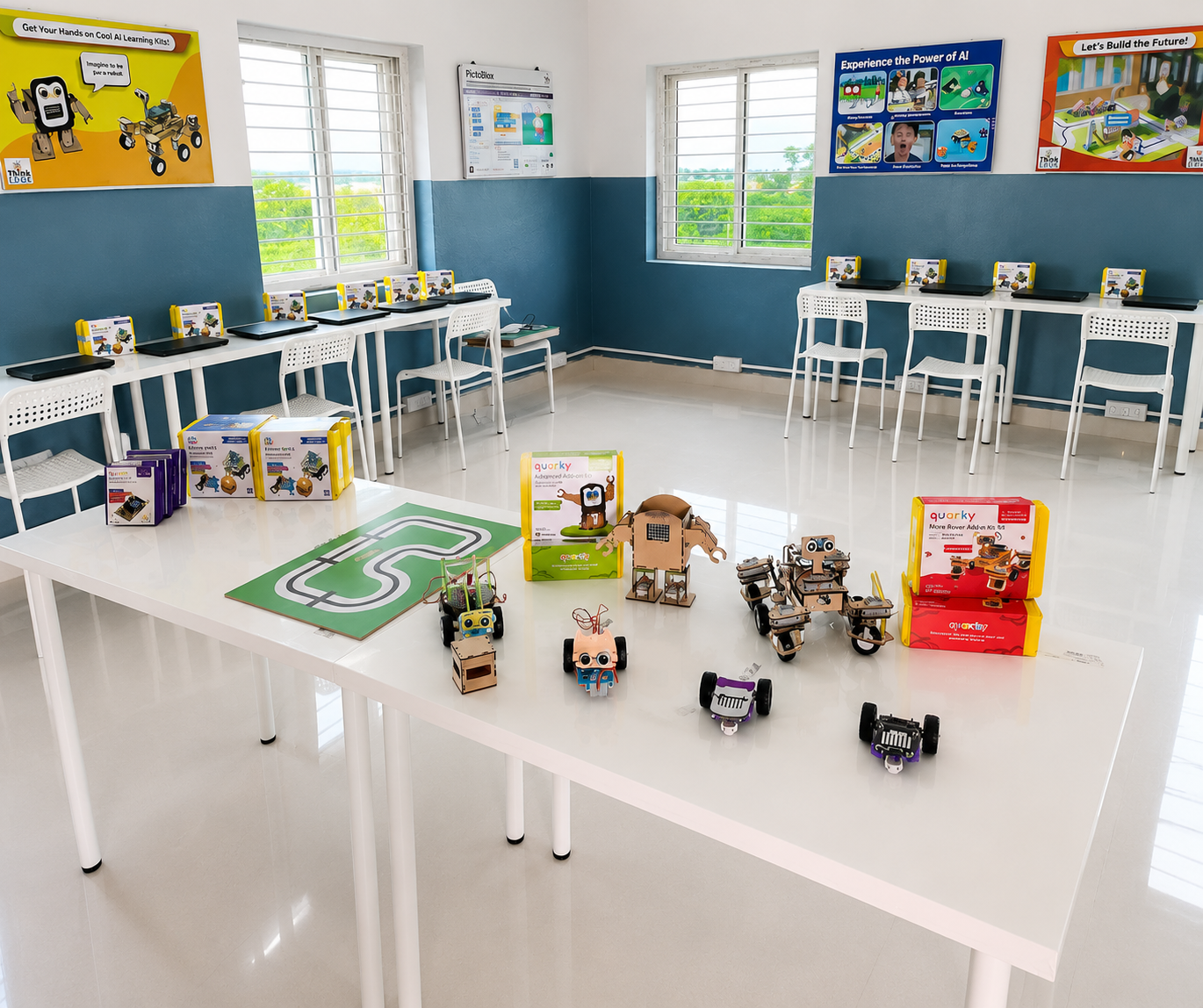
Robotics Education in Kamareddy for Technology and Innovation
Robotics education in Kamareddy at Little Scholar School introduces students to practical technology, design thinking, logical reasoning and problem-solving.
Students learn by exploring how simple machines, electronic components, programming concepts and robotic systems work.
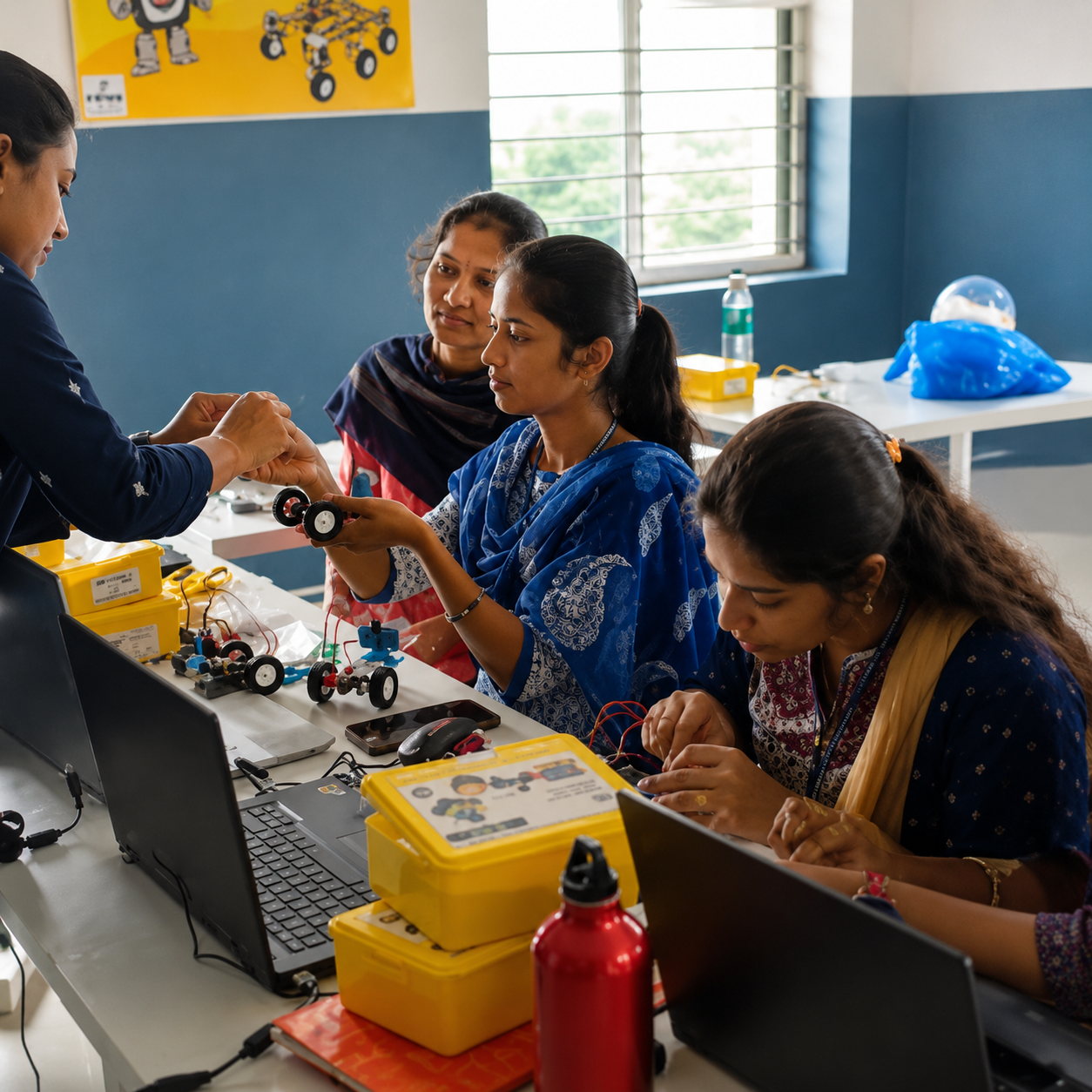
Robotics Education in Kamareddy for Practical Learning
Robotics combines technology, design, mechanics and basic programming in a practical learning experience. Students move from asking how a system works to building, testing and improving their own ideas.
A well-planned robotics activity can encourage students to observe, experiment, discuss solutions and learn from mistakes. The emphasis is not only on building a model but also on understanding the thinking behind it.
Robotics Education in Kamareddy Learning Activities
Depending on student age, grade access, available equipment and the school programme, robotics activities may include the following.
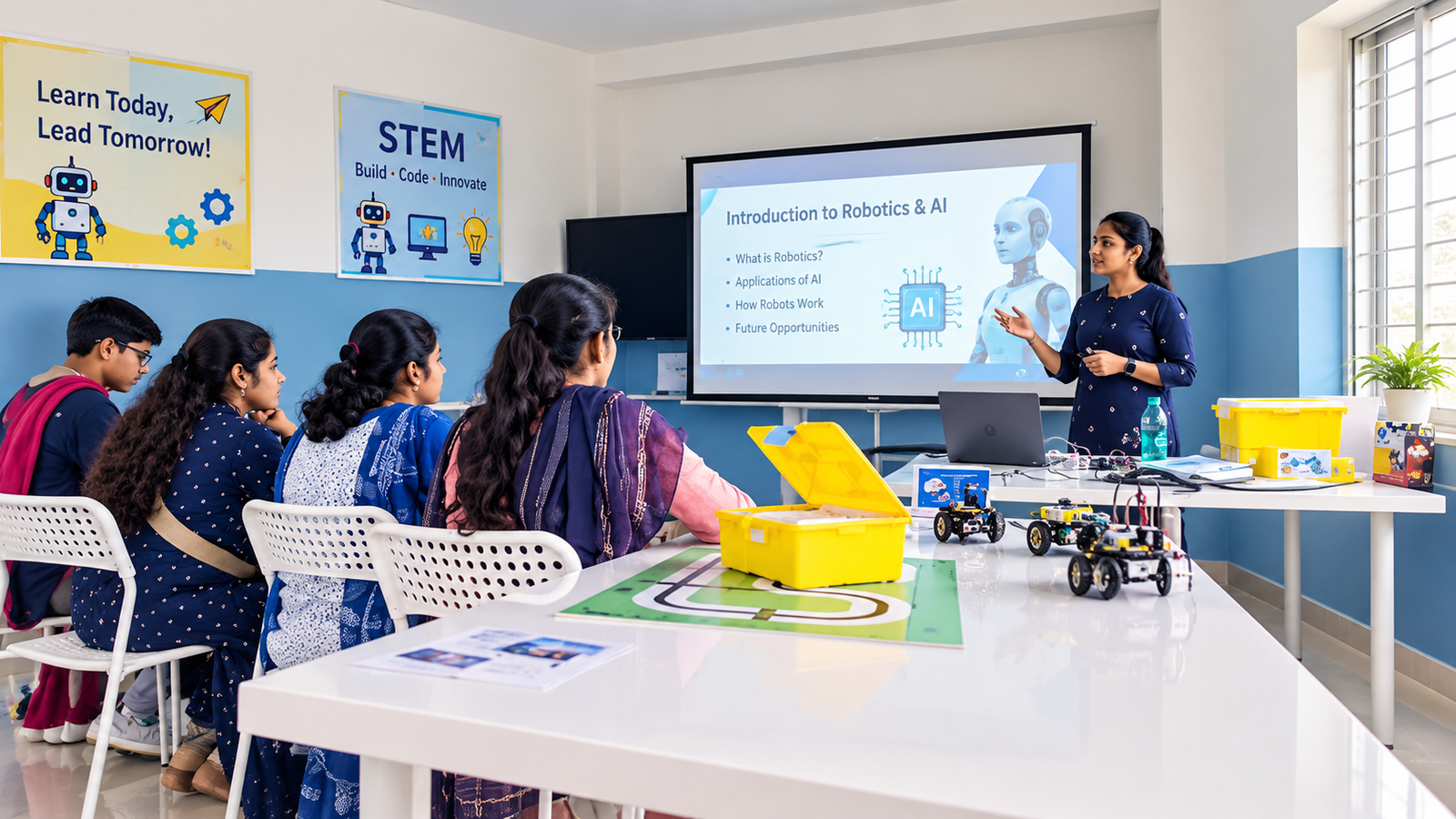
Students explore what robots are, how they receive instructions and where robotic systems are used.
Students may assemble basic structures and observe how shape, balance and movement affect performance.
Age-appropriate sequencing, commands, loops and logical steps can introduce programming ideas.
Students may learn the purpose of simple circuits, wires, switches and other basic components.
Activities may demonstrate how a sensor detects information and how a motor creates movement.
Students can analyse a task, identify a difficulty and test different ways to reach a solution.
Small-group projects can encourage communication, shared planning and responsible participation.
Students may explain how a model works, describe the design process and present what they learned.
Participation in demonstrations or competitions should be published only after the school confirms current opportunities.
Skills Strengthened Through Robotics Education in Kamareddy
Robotics can connect classroom concepts with practical tasks. Students learn to plan carefully, test an idea and improve it using observation and feedback.
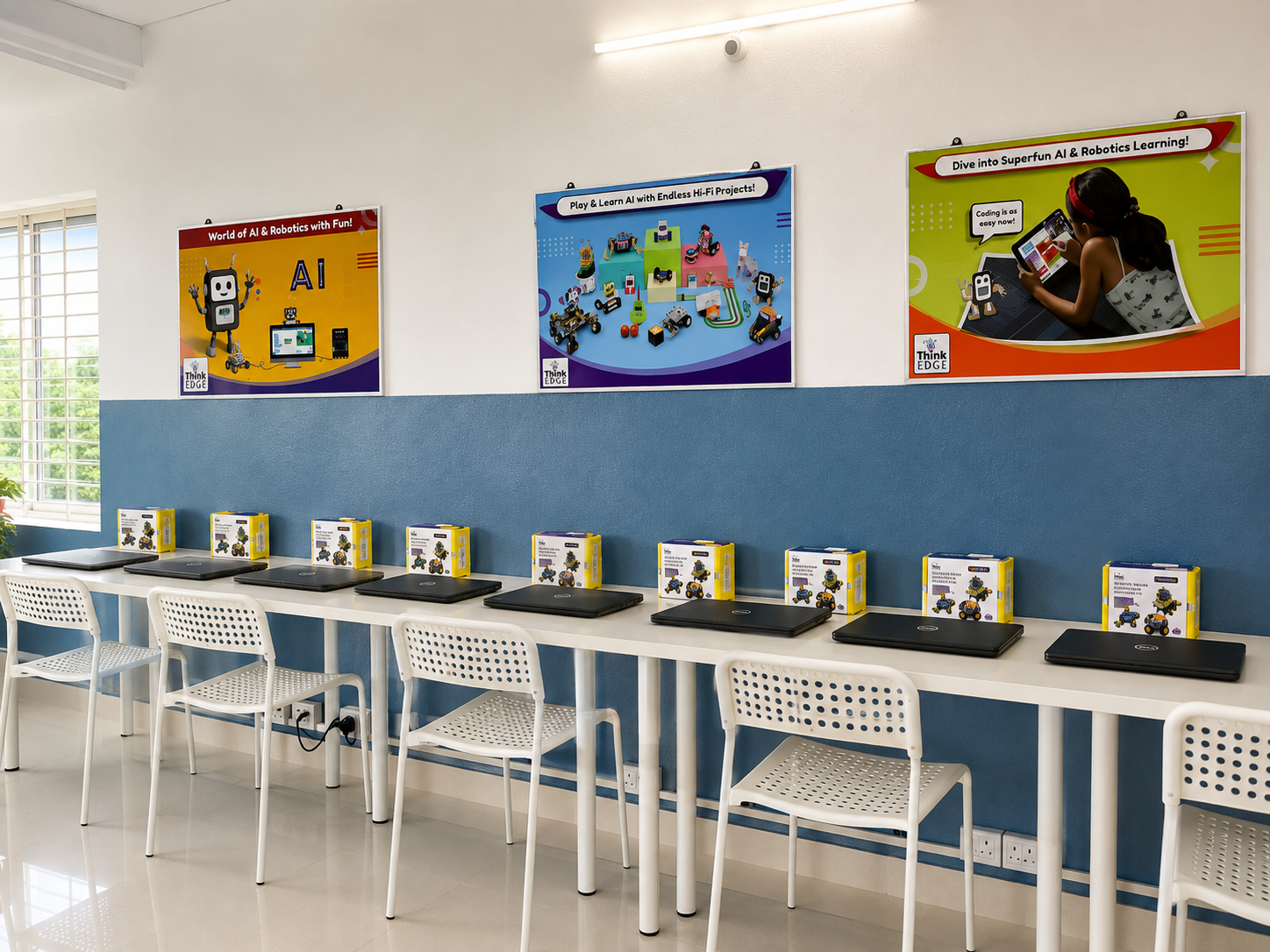
Robotics Education in Kamareddy Learning Journey
A robotics activity becomes more meaningful when students understand the complete process rather than only seeing the final model.
Understand the Challenge
Students identify the goal, available materials and important limitations.
Plan and Build
They discuss possible solutions, select an approach and build a simple model.
Test and Observe
Students test the model, record what happens and identify what needs improvement.
Improve and Explain
They refine the solution and explain the design, result and learning process.
Grade Access and Programme Status
Parents should confirm current grade access, curriculum status, equipment availability and schedules directly with the school.
Speak With the School Team
Complete this form to prepare a WhatsApp enquiry about robotics activities at Little Scholar School.
FAQs About Robotics Education in Kamareddy
Contact Little Scholar School to confirm the current grades that participate in robotics activities.
The school should confirm whether robotics is currently included in the curriculum or offered as an additional activity.
Introductory robotics activities can begin with age-appropriate concepts. Contact the school for current participation requirements.
Robotics can support logical thinking, creativity, problem-solving, collaboration, experimentation, technical understanding and project planning.
Publish competition or demonstration information only after the school confirms current opportunities.